
5 Things to Keep in Mind While Adding Time Traveling Adventures to Your Story

Time travel is one of the most exhilarating storytelling devices, offering limitless opportunities to explore history, future possibilities, and the human experience. Yet, introducing time-travel adventures requires careful thought to keep your readers engaged and your narrative coherent. Here are five key considerations to make your story truly unforgettable.
1. Define the Rules of Time Travel
Every time-travel story needs a framework. Decide whether your characters can alter the past, if paradoxes exist, or if history is immutable. Clear rules prevent plot holes and keep readers invested. Whether it’s a mystical artifact, a futuristic machine, or a mysterious portal, consistency is key. Readers love the thrill of the impossible, but only if it feels believable within your story’s universe.
2. Ground the Adventure in Character Motivation
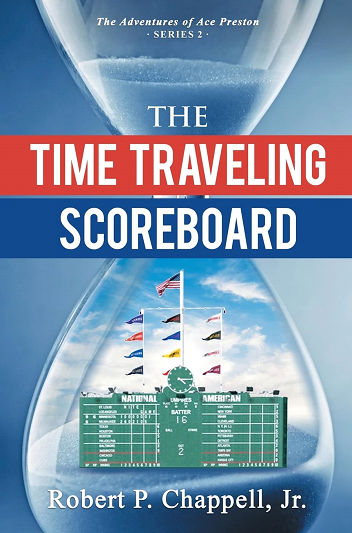
Time travel is more than just a plot device, it’s a mirror for your characters’ desires, regrets, or ambitions. Why does your character travel through time? Are they seeking redemption, adventure, or answers to unresolved mysteries? Like Ace Preston in The Time Traveling Scoreboard, characters are most compelling when their journeys reveal something about who they are, rather than merely serving as spectacle.
3. Weave in Historical or Futuristic Details
The magic of time travel often lies in immersing readers in a different era. Authentic details, clothing, language, technology, and culture enrich the narrative and make the journey feel tangible. Research or imaginative extrapolation helps your world feel lived-in. When done well, readers not only follow the plot but also experience the time period firsthand.
4. Balance Action and Consequence
Every leap through time should have stakes. What happens if your character changes something? How do events ripple forward or backward? A story without consequences feels hollow, while one that shows the weight of time-travel choices creates tension and emotional investment. Remember, even small interactions in the past can have dramatic outcomes, making every decision meaningful.
5. Keep the Adventure Accessible
Time-travel stories can quickly become complex. Avoid overwhelming readers with endless timelines or confusing rules. Anchor the narrative in relatable experiences, emotions, relationships, or personal growth. Let readers explore the wonder of time alongside your characters, without losing the thread of the story.
Conclusion
Time travel is not just about bending the rules of history; it’s about bending perspectives, emotions, and imagination. When executed thoughtfully, it opens doors to adventures that entertain, inspire, and challenge both your characters and your readers.
For those seeking inspiration on blending historical richness, ethical dilemmas, and imaginative escapades, The Time Traveling Scoreboard by Robert P. Chappell, Jr. is a masterclass in time-travel storytelling. Follow retired hero Ace Preston as he navigates past eras, interacts with history, and discovers how even the smallest choices can change lives.
Step inside Ace Preston’s world and experience the magic of time travel. Your next story idea might just be waiting there. Get your copy today!