
What Made the Baseball Golden Age So Legendary and Why It Still Matters

Long before high-definition broadcasts, advanced analytics, and massive modern stadiums, baseball experienced a period many fans still call the Golden Age of the game. Spanning the early decades of the twentieth century, this era helped establish baseball as America’s pastime and created traditions that still shape the sport today.
During this time, baseball was more than entertainment; it was a shared cultural experience. Communities gathered around the sport, filling stadiums or listening to games on the radio. Ballparks became places where fans from all walks of life came together to celebrate victories, endure heartbreaking losses, and witness moments that would become legendary.
Even decades later, the stories from this era still spark curiosity and admiration among baseball fans.
Legendary Players Who Became Cultural Icons
One of the defining characteristics of baseball’s Golden Age was the emergence of players whose names would echo throughout the sport’s history. Athletes like Babe Ruth, Ty Cobb, Lou Gehrig, and Walter Johnson didn’t just dominate the field, they captured the imagination of an entire nation.
These players became some of the first true sports celebrities. Newspapers covered their achievements in dramatic detail, and fans eagerly followed every game. Babe Ruth’s home runs redefined the power of the long ball, while Lou Gehrig’s consistency and dedication made him a symbol of perseverance.
Their performances turned baseball into something bigger than a game. They created stories that fans would tell for generations
Moments That Became Baseball Lore
Part of what makes the Golden Age so legendary is the unforgettable moments that became part of baseball folklore. One famous example is the “Homer in the Gloamin,” when Chicago Cubs outfielder Gabby Hartnett hit a dramatic home run at Wrigley Field in 1938 during a game that was growing dark at sunset. That swing secured a victory for the Cubs and remains one of the most celebrated moments in the franchise’s history.
Moments like that helped cement baseball’s reputation as a sport filled with drama and surprise. Fans never knew when the next legendary play would happen, which made every inning feel important.
The spirit of those moments still echoes today through modern Cubs legends such as Ernie Banks, whose enthusiasm for the game made him one of the most beloved players in baseball history, and Sammy Sosa, whose electrifying home run seasons brought excitement back to Wrigley Field decades later.
Although they played in different eras, these players carried forward the passion and magic that began during baseball’s early golden years.
Ballparks That Became Living Museums
Another reason the Golden Age remains so influential is the ballparks that were built during that time. Stadiums like Wrigley Field and Fenway Park became iconic venues where generations of fans gathered to watch the game.
These parks were filled with character, manual scoreboards, ivy-covered walls, and unusual outfield dimensions that gave each stadium its own personality. Unlike many modern stadiums, these ballparks reflected the neighborhoods that surrounded them.
Walking into one of these historic stadiums today can still feel like stepping back in time.
Why the Golden Age Still Matters Today
Baseball has evolved dramatically over the past century, yet the spirit of the Golden Age continues to shape how fans experience the game. The legends, traditions, and dramatic moments from that era created the foundation on which modern baseball was built.
From unforgettable home runs to beloved players and historic ballparks, the stories of baseball’s past continue to inspire new generations of fans. They remind us that the magic of the game isn’t just found in statistics or championships, it lives in the moments that connect fans across time.
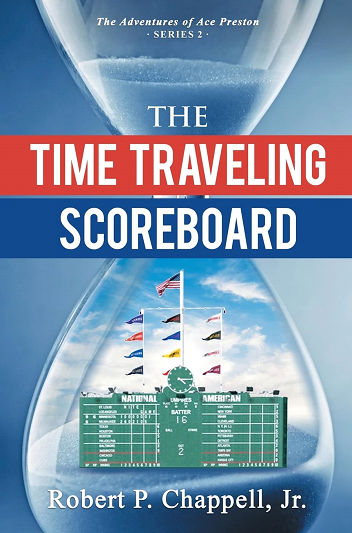
For readers who enjoy exploring baseball’s past, The Time Traveling Scoreboard by Robert P. Chappell Jr. is a good fit. The novel captures the nostalgia that surrounds baseball’s past, an era when ballparks were neighborhood landmarks, scoreboards were operated by hand, and every game felt like a community event. By stepping into those earlier moments, Ace encounters the culture and spirit that defined the Golden Age of baseball. The story highlights how the sport was built not just by famous players, but also by the everyday fans, stadium workers, and communities who loved the game.
Through its blend of history and adventure, the book reminds readers that baseball’s past is never truly gone. The traditions, stories, and legendary moments from those early years continue to influence the sport today. In that way, The Time Traveling Scoreboard becomes more than just a fictional adventure; it becomes a celebration of baseball’s enduring legacy and the timeless connection between generations of fans. Get your copy today!